news
SponBIODIV at the 9th European Conference on Scientific Diving (ECSD9)
The Greek SponBIODIV team presented two oral contributions highlighting complementary aspects of sponge biodiversity research.
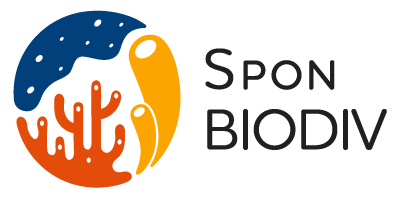
The Greek SponBIODIV team presented two oral contributions highlighting complementary aspects of sponge biodiversity research.
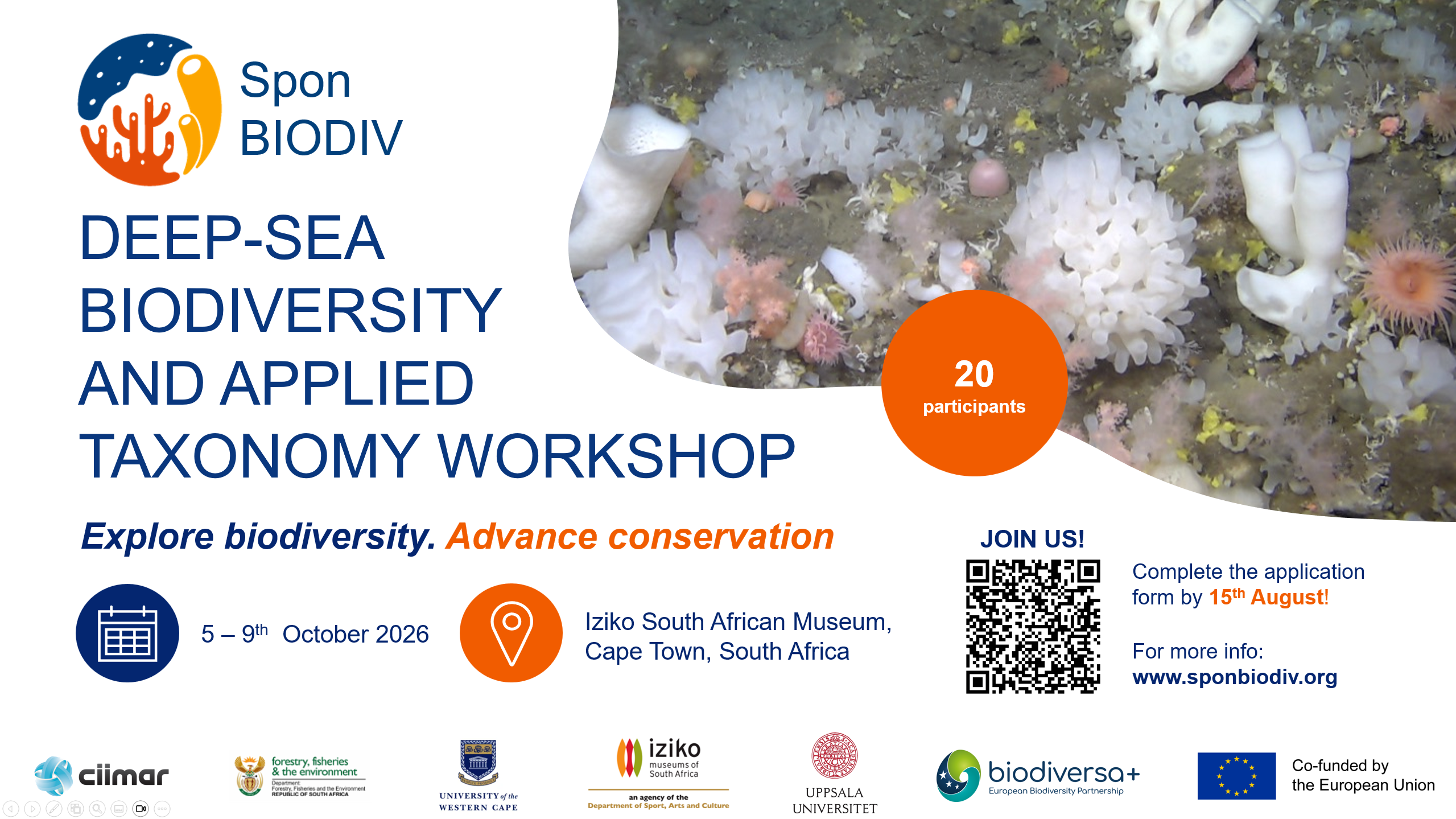
Expression of interest accepted until the 15th of August!
The deadline for registration and abstract submission is May 31, 2026.

Please welcome… Tibudron, our recently acquired remotely operated vehicle (ROV) that will be used to explore and survey marine sponges.

New surveys around Martinique Island found several new sponges for science, yet also an overall decline of many previously recorded species.
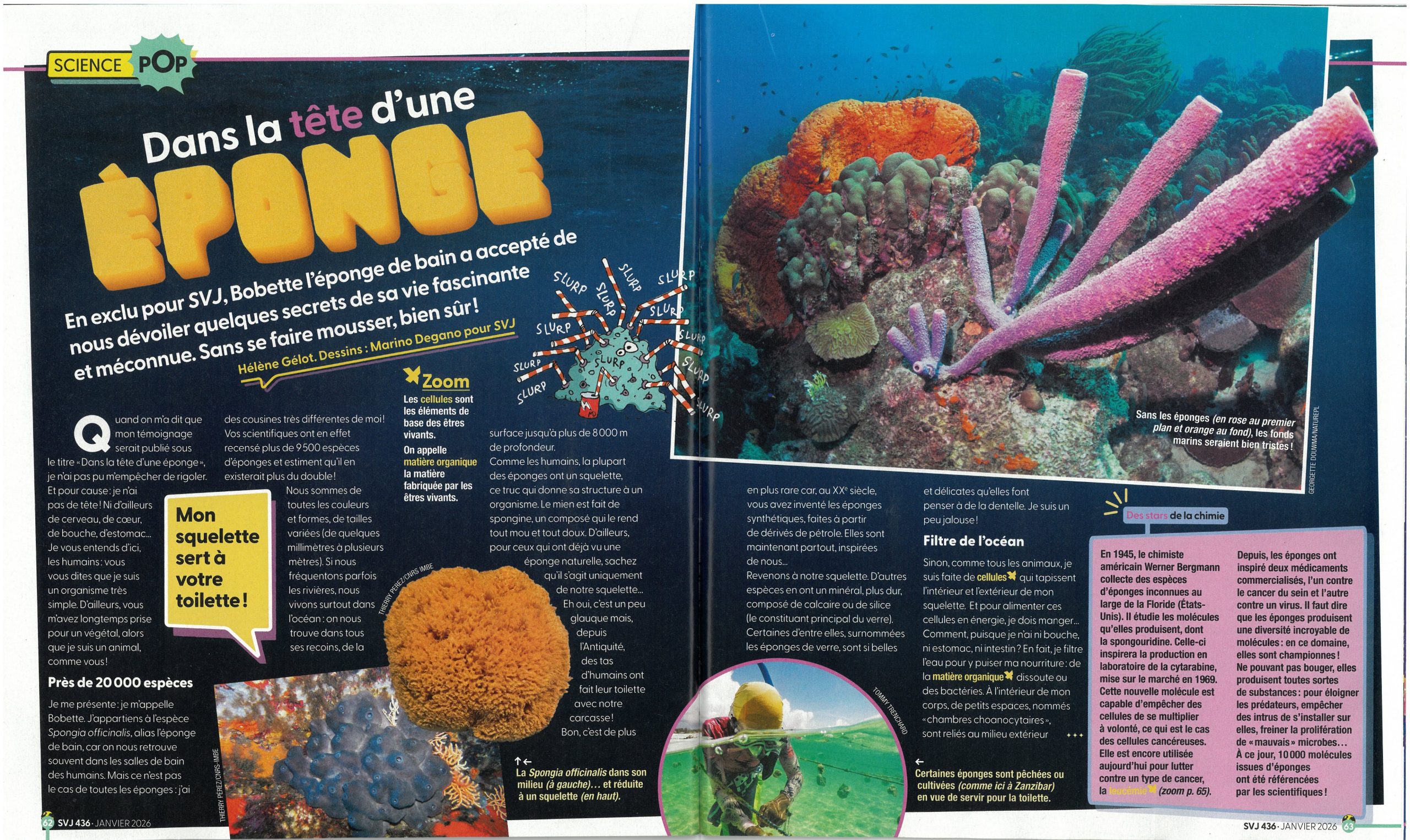
French youth magazine shines a spotlight on the interesting life and secrets of sponges
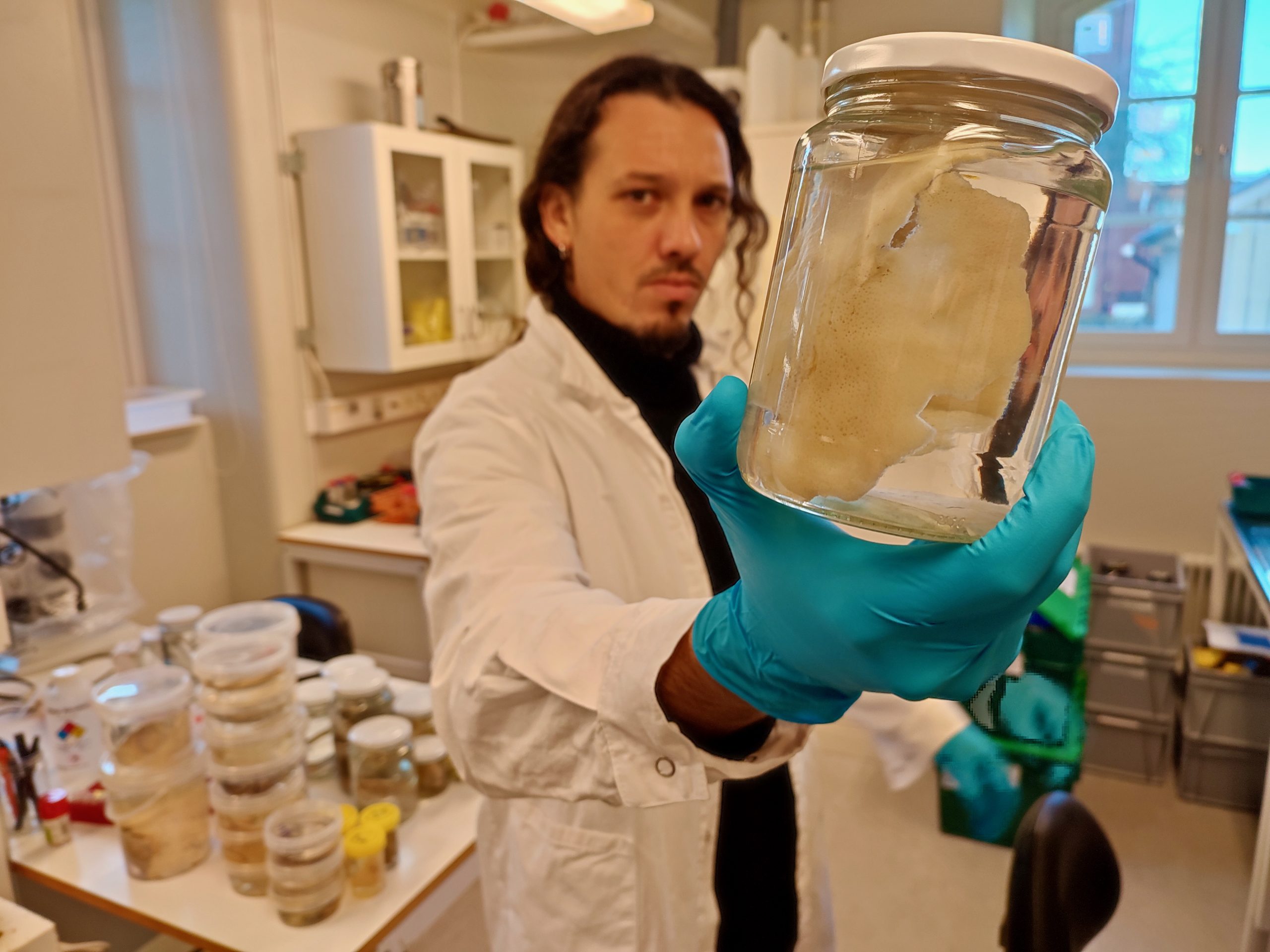
Postdoctoral Researcher Julio A. Díaz holding the new deep-sea North Atlantic sponge species Murus profunda described in Díaz et al. This new species is part of the new order Vilesida.
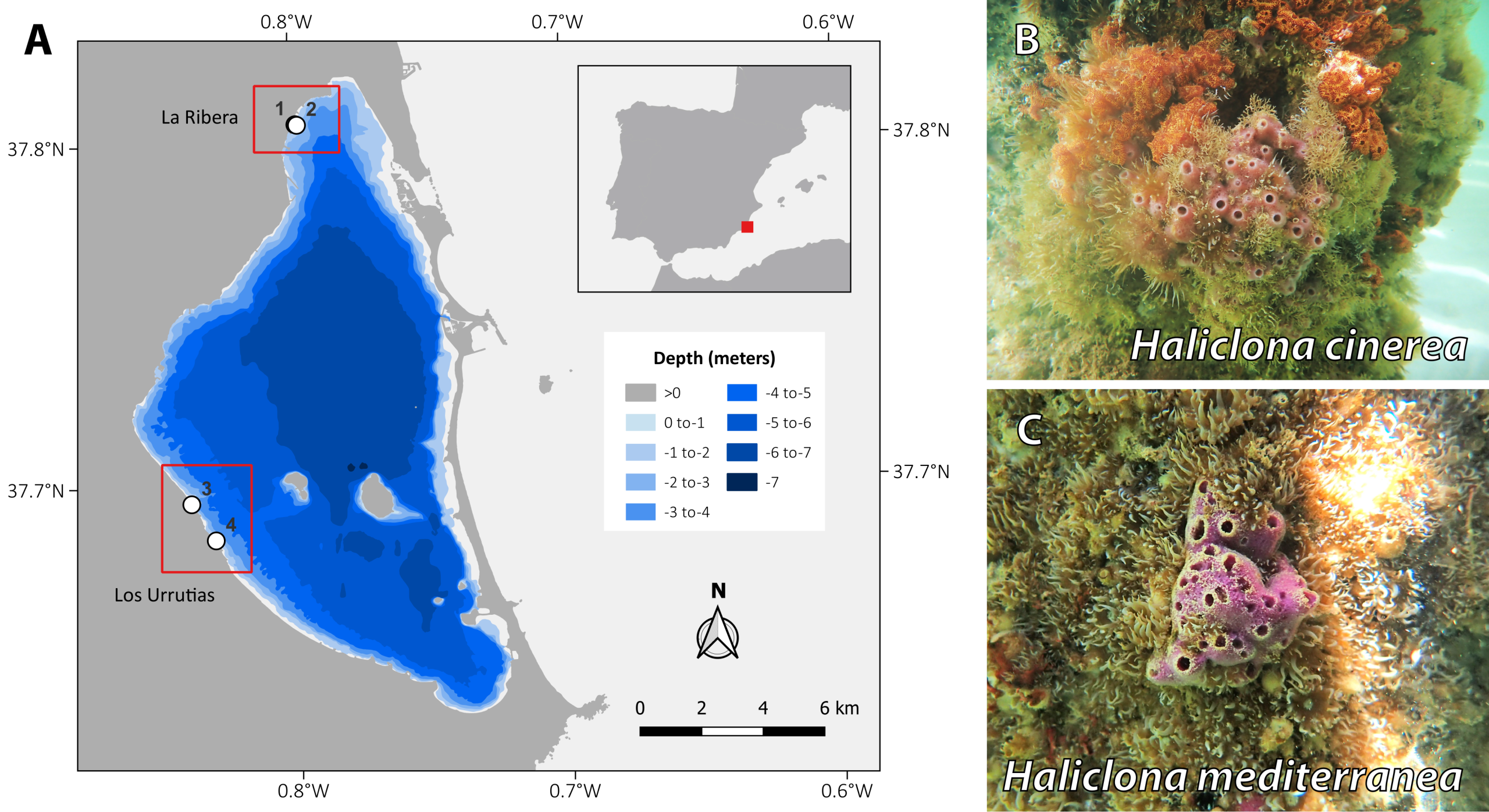
The Mar Menor coastal lagoon (South-East of Spain) has experienced episodes of eutrophication due to intensive agriculture and other human activities, causing mass mortalities of marine fauna. In this scenario, biodiversity monitoring is crucial to evaluate the status of fauna and flora and take appropriate measures. So, how can sponges help us protect this ecosystem?
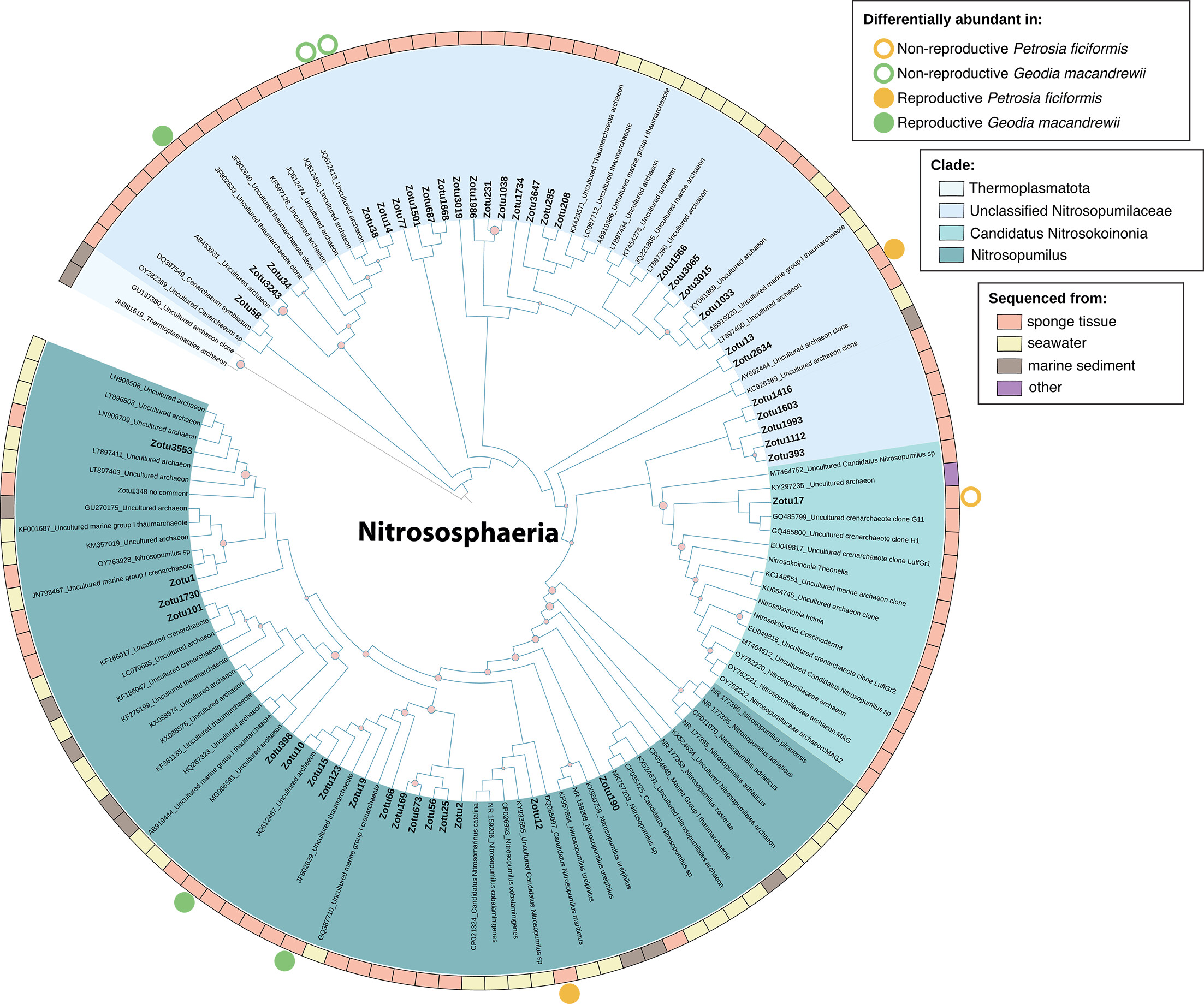
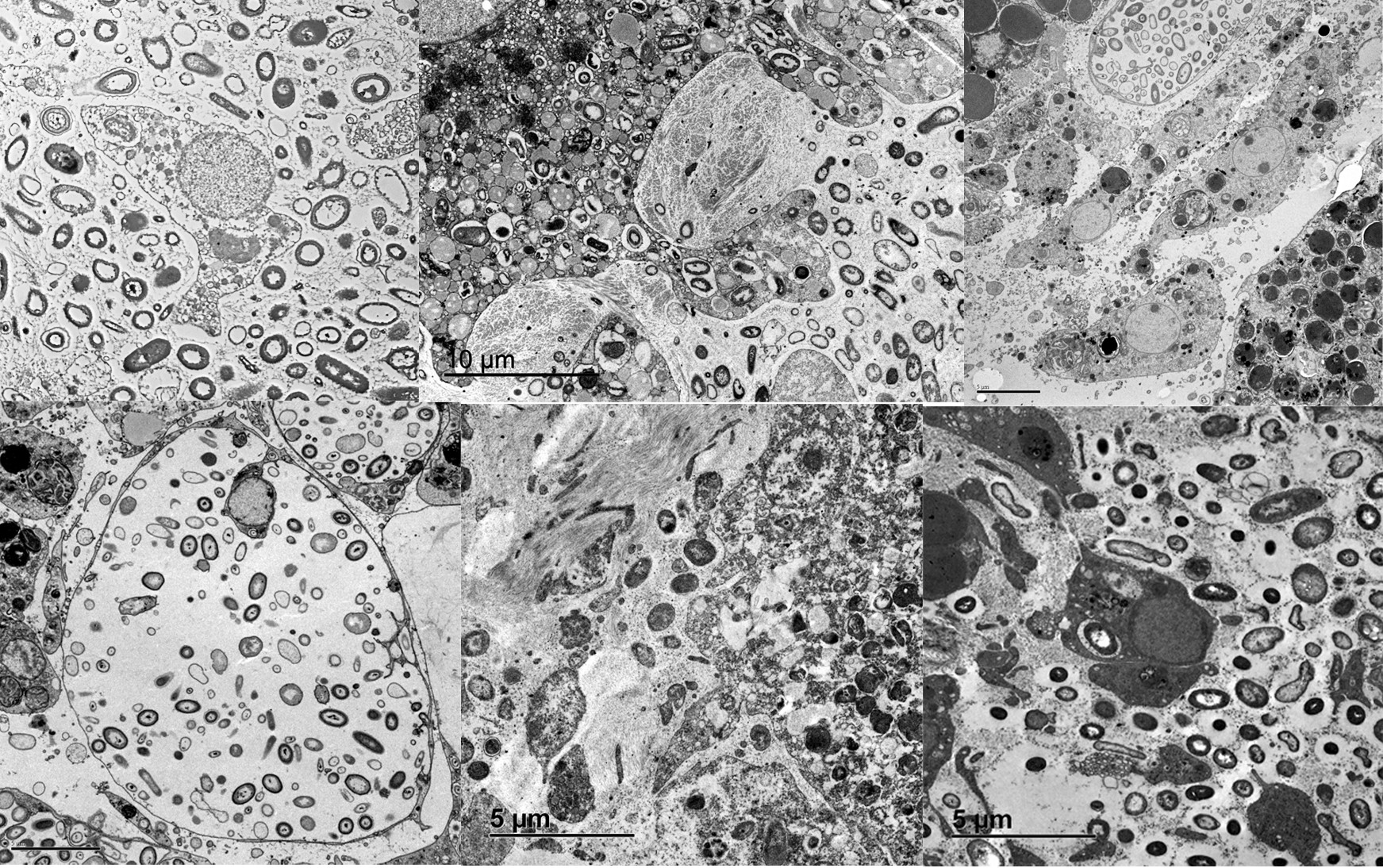
The results, published in the journal mBio, reveal that these often-overlooked microbial partners persist and shift during early gametogenesis, suggesting an active role in host–microbe interactions during sponge reproduction.
After analyzing more than 100 samples, and MNCN-CSIC lead team has determined that the situation of sponges is worrying due to factors related to human activity