A recent study led by researchers from the SponBIODIV project at the Museo Nacional de Ciencias Naturales (MNCN-CSIC) has uncovered new insights into the role of sponge microbiomes during sexual reproduction. The team investigated differences in microbial community composition between reproductive and non-reproductive specimens from five sponge species: Geodia macandrewii, Geodia hentscheli, Petrosia ficiformis, Chondrosia reniformis, and Topsentia sp.
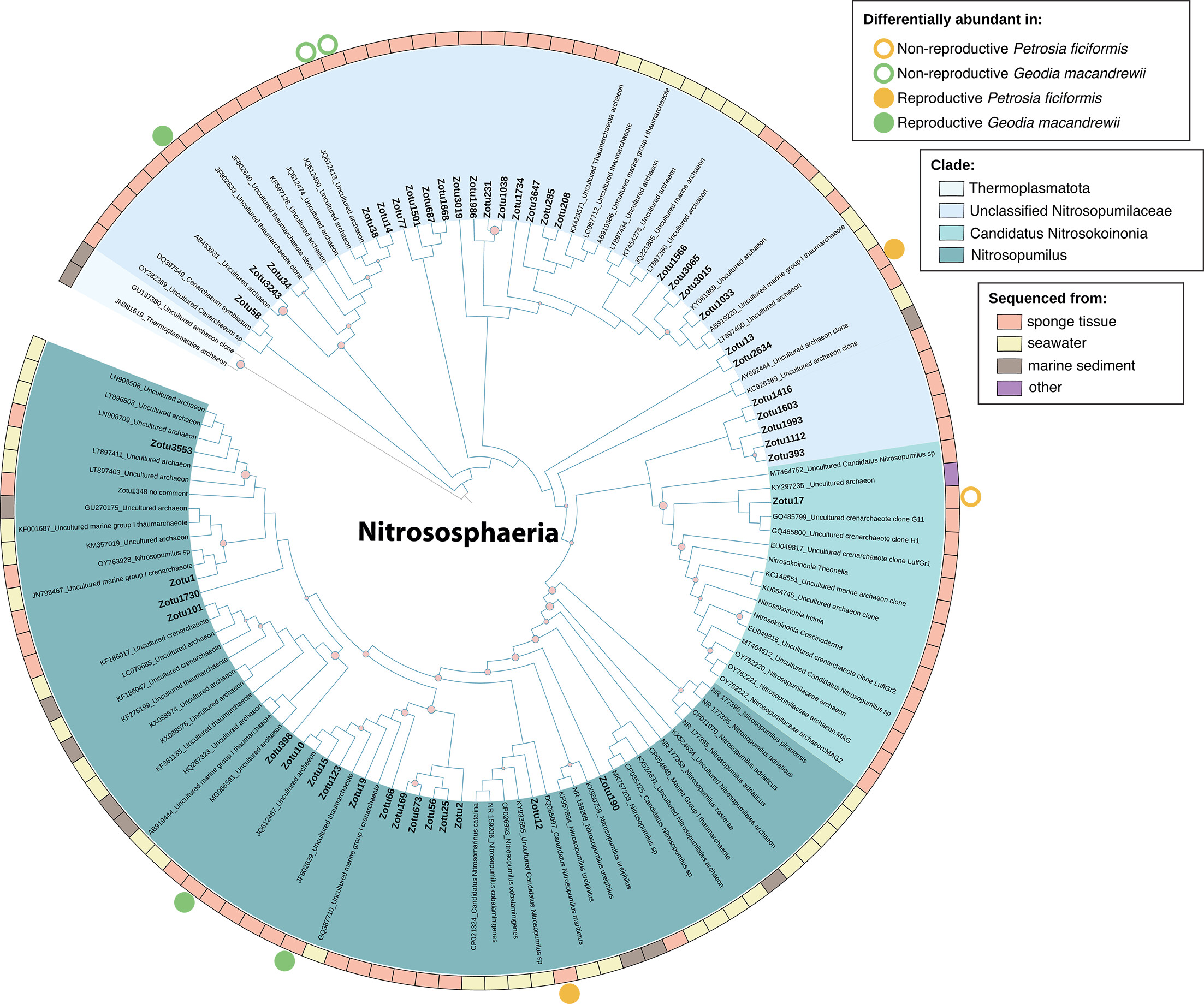
Using 16S rRNA gene amplicon sequencing, the researchers found that significant changes in microbiome composition occurred only in sponges exhibiting early stages of oocyte maturation. These differences were largely driven by shifts in the abundance of members of the archaeal class Nitrososphaeria in G. macandrewii and P. ficiformis, both of which contained oocytes at the previtellogenic stage. Ultrastructural imaging combined with transcriptomic analyses in G. macandrewii confirmed that microbial phagocytosis takes place during early egg development, a process likely providing the sponge with essential nutrients to support the highly energy-demanding process of reproduction.
This study represents one of the first comprehensive investigations into how sponge microbial communities may contribute to the reproductive biology of their hosts. The findings highlight the importance of microbiomes in supporting fundamental life processes in marine sponges and shed light on the intricate symbiotic relationships that underpin early animal evolution.
Reference:
Turon M, Koutsouveli V, Conejero M, Taboada S, Verdes A, Lorente-Sorolla JM, Díez-Vives C, Riesgo A. (2025).The archaeal class Nitrososphaeria is a key component of the reproductive microbiome in sponges during gametogenesis. mBio, 16:e02019-24. https://doi.org/10.1128/mbio.02019-24