News and Events

Explore all the news and events around this project.

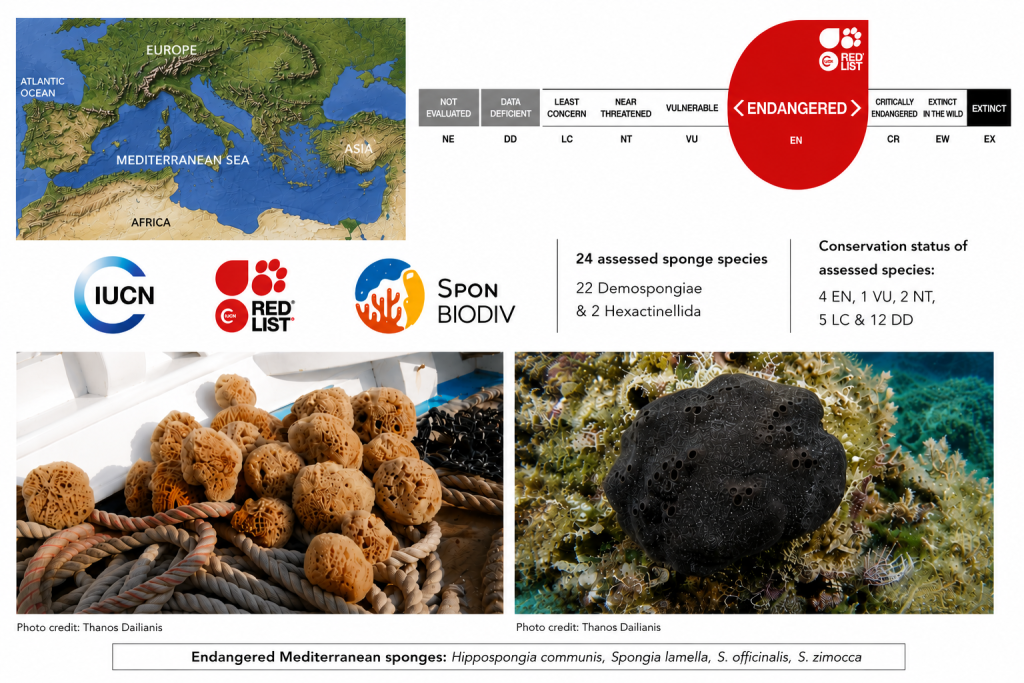
First Mediterranean IUCN Red List assessments completed for sponge species

Mediterranean sponge conservation has reached an important milestone with the completion of the first regional IUCN Red List assessments for Mediterranean sponge species

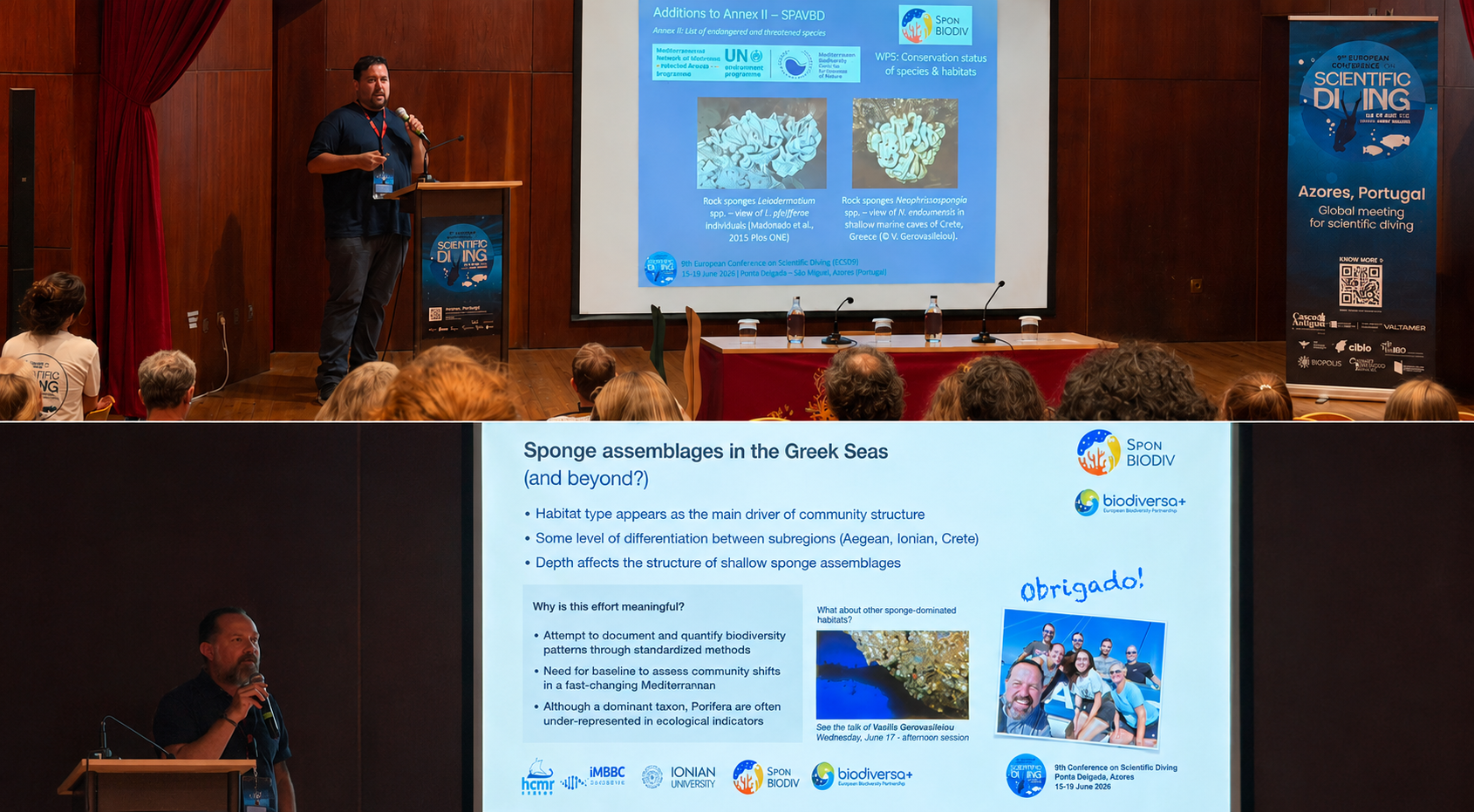
SponBIODIV at the 9th European Conference on Scientific Diving (ECSD9)

The Greek SponBIODIV team presented two oral contributions highlighting complementary aspects of sponge biodiversity research.

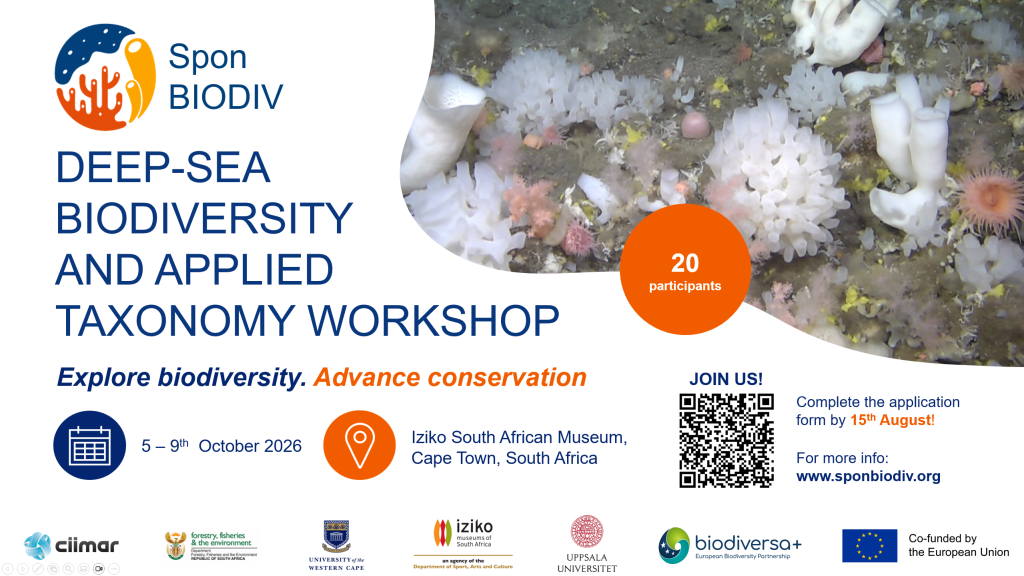
Deep-Sea Biodiversity & Applied Taxonomy Workshop, 5-9 October 2026, Cape Town (South Africa)

Expression of interest accepted until the 15th of August!

3rd Brazilian Symposium on Spongiology coming November 2026

The deadline for registration and abstract submission is May 31, 2026.

A new remotely operated vehicle to explore and collect underwater sponges

Please welcome... Tibudron, our recently acquired remotely operated vehicle (ROV) that will be used to explore and survey marine sponges.

Martinique’s sponge diversity, under threat

New surveys around Martinique Island found several new sponges for science, yet also an overall decline of many previously recorded species.

Sponges are featured in Science & Vie Junior Magazine!

French youth magazine shines a spotlight on the interesting life and secrets of sponges

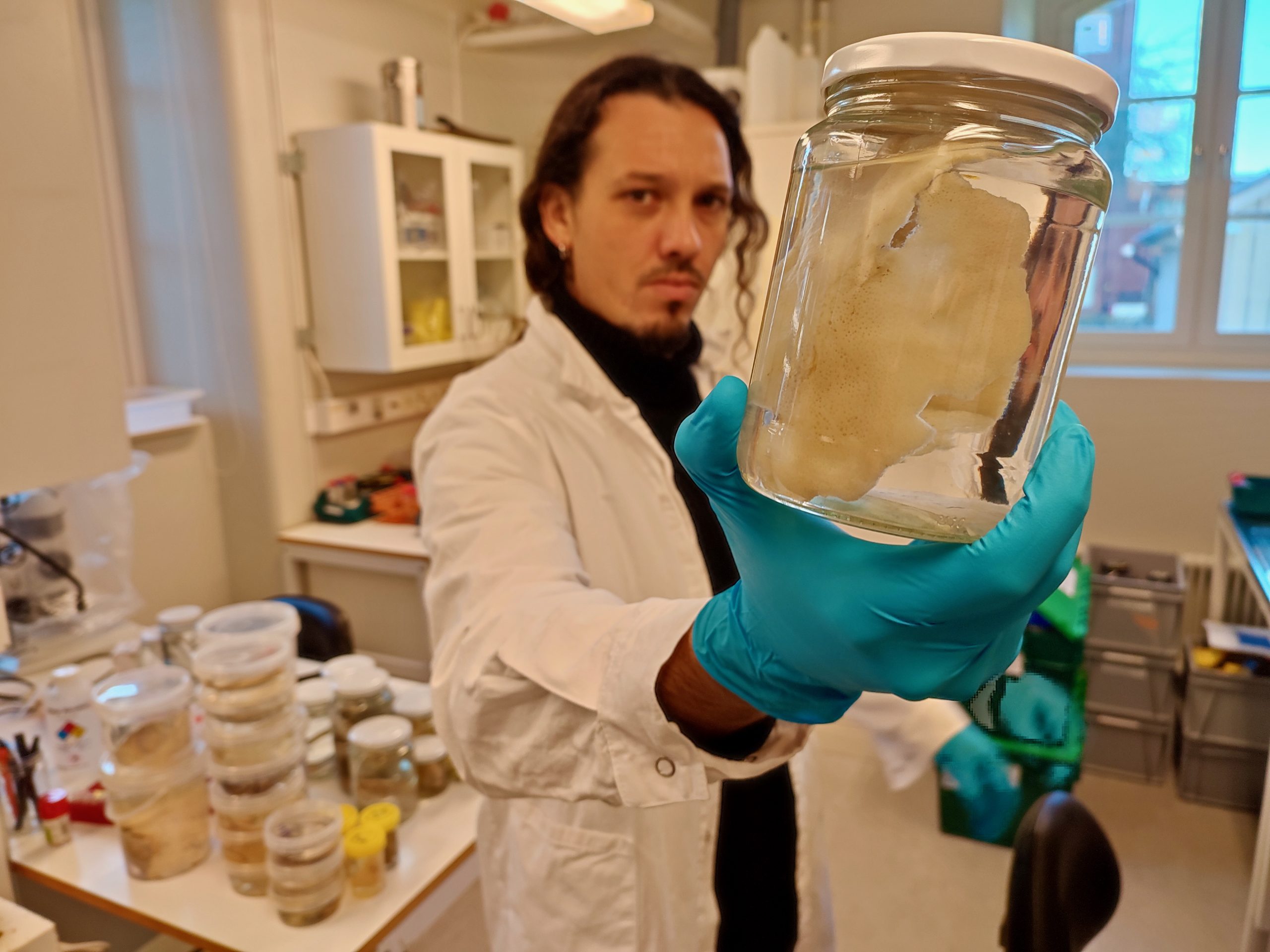
Discovery of a new order of marine sponges

Postdoctoral Researcher Julio A. Díaz holding the new deep-sea North Atlantic sponge species Murus profunda described in Díaz et al. This new species is part of the new order Vilesida.

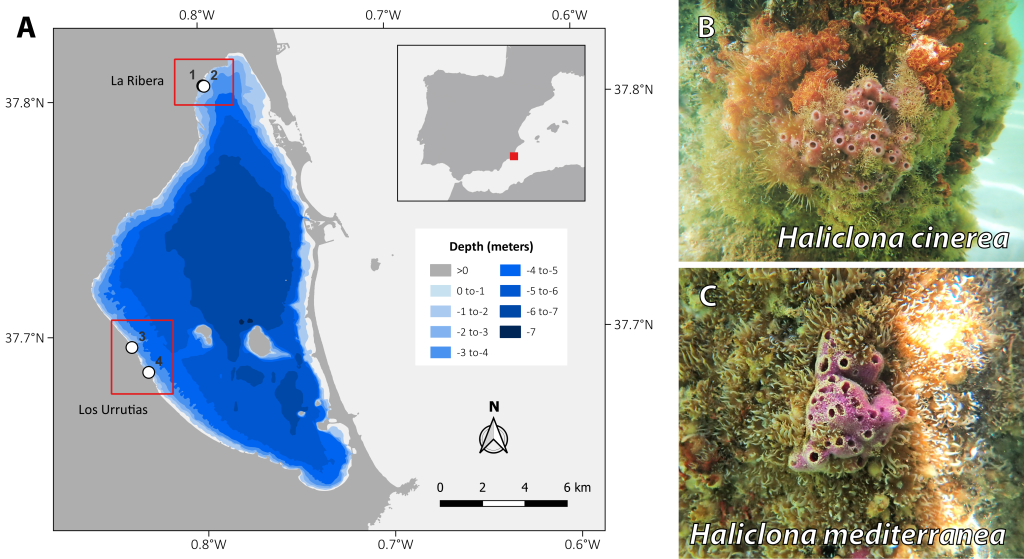
Can sponges help us protect the threatened coastal lagoon of the Mar Menor?

The Mar Menor coastal lagoon (South-East of Spain) has experienced episodes of eutrophication due to intensive agriculture and other human activities, causing mass mortalities of marine fauna. In this scenario, biodiversity monitoring is crucial to evaluate the status of fauna and flora and take appropriate measures. So, how can sponges help us protect this ecosystem?
Archive
This project is funded by Biodiversa+, the European Biodiversity Partnership under the 2021-2022 BiodivProtect joint call for research proposals, co-funded by the European Commission (GA N°101052342) and with the following funding organisations: